Roseline: The Handwritten Font That Feels Effortlessly Polished
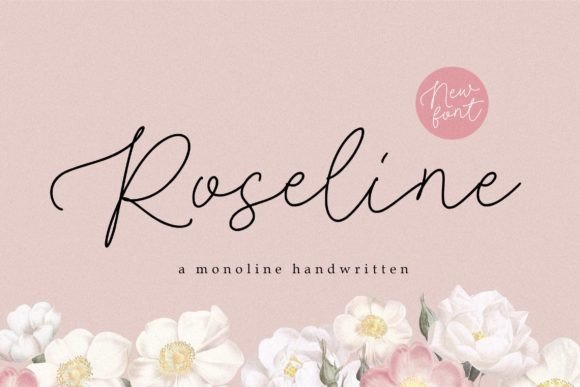
If you have ever spent hours scrolling through font libraries only to feel overwhelmed by choices, you know how refreshing it is to find one that just clicks. Roseline is that kind of font — a monoline handwritten typeface that brings clean, elegant energy to any project without trying too hard. Its smooth, effortless lines and understated sophistication make it the perfect choice for designers who want a modern look that still carries timeless appeal. Whether you are building a brand identity or designing social media graphics, this font earns its place in your creative toolkit fast.
What Makes Roseline Stand Out as a Premium Font
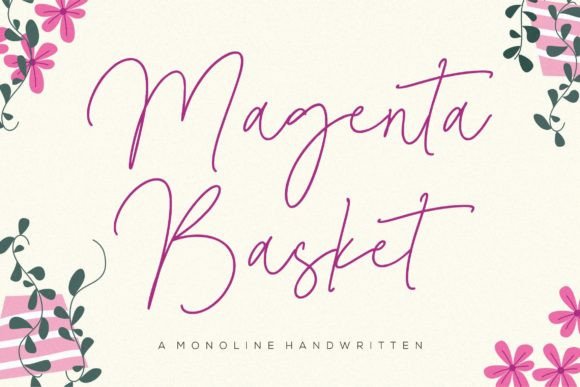
Not every handwritten font feels polished. Many lean too heavily into a casual vibe and lose readability, while others try so hard to look professional that they feel stiff. Roseline sits right in the sweet spot. As a monoline typeface, every stroke carries the same weight, which gives it a clean and consistent look across letters, numbers, and punctuation. That consistency is what makes it feel like a premium font rather than just another script option in a crowded marketplace.
The understated elegance here is intentional. There are no flashy swashes or over-the-top flourishes. Instead, Roseline lets the natural flow of handwriting shine through with a level of refinement that works beautifully in both editorial design and commercial projects. It reads as approachable yet sophisticated — a rare combination that makes it incredibly versatile.
Where Roseline Works Best in Real Design Projects
One of the strongest reasons to consider Roseline is how well it adapts to different use cases. Here are some of the most common places where designers reach for this handwritten font:
Logo design: The clean lines make it ideal for brand marks that need to feel personal without sacrificing clarity.
Packaging design: Roseline adds a premium touch to labels, boxes, and product wraps, especially for lifestyle or boutique brands.
Social media graphics: Quote cards, announcement posts, and story overlays all benefit from its readable elegance.
Editorial layouts: Magazine spreads, blog headers, and feature titles get a handcrafted feel that stands out.
Invitations and stationery: Wedding invites, greeting cards, and event branding feel warm and intentional with this typeface.
Web design: Used sparingly for headlines or hero text, Roseline brings personality to otherwise minimal interfaces.
It also pairs exceptionally well with sans serif fonts for body text or serif fonts for a more traditional editorial feel. That kind of font pairing flexibility is exactly what separates a good creative font from a great one.
Practical Tips for Using Roseline Effectively
Getting the most out of Roseline means thinking about context and hierarchy. Because it is a display font at heart, it works best when you give it room to breathe. Use it for headlines, titles, or short phrases rather than long blocks of copy. Pairing it with a clean sans serif font for supporting text creates a natural visual hierarchy that guides the reader's eye without feeling forced.
When it comes to scalability, the monoline structure holds up well at larger sizes. On posters or banner designs, the smooth strokes stay legible even when scaled up. At smaller sizes, like on mobile screens or favicons, keep the usage minimal — a short brand name or tagline works better than a full sentence.
Balancing Personality with Readability
The biggest trap with handwritten fonts is letting personality override legibility. Roseline avoids this problem because of its uniform stroke width and open letterforms. Still, always test your designs at the size they will actually appear. A font that looks stunning at 72pt might lose its charm at 14pt, and knowing that ahead of time saves you from redesigning later.
How Typography Choices Like Roseline Shape Brand Perception
People make judgments about a brand within seconds, and typography plays a huge role in that first impression. A font like Roseline communicates thoughtfulness, creativity, and attention to detail. It tells your audience that you care about how things look, not just what they say. For brands in the wellness, fashion, food, or creative industries, that kind of visual language builds trust fast.
This is why selecting the right typeface matters as much as choosing your color palette or imagery. Roseline gives you a head start because it already carries that polished, modern-yet-timeless energy. You do not have to over-design around it — it does the heavy lifting for you.
Is Roseline Right for Your Next Project?
If you are looking for a handwritten font that does not feel gimmicky, Roseline deserves a spot on your shortlist. It works across branding, packaging, digital design, and print without forcing you into a single niche. The clean monoline structure keeps it professional, while the handwritten roots keep it warm and human.
Before downloading, check the licensing terms to make sure it covers your intended use — especially for commercial projects. Most premium font downloads include clear guidelines for personal and commercial usage, so you can move forward with confidence. When a font looks this good and works this hard, it is worth making sure you have the right permissions in place.
At the end of the day, the best design assets are the ones that make your work look better without stealing the spotlight. Roseline does exactly that. It adds elegance, warmth, and a sense of intention to every project it touches, and that is a quality worth building your next design around.